Keys, Not Just Windows: Taking On an Empty Shop Without Becoming Its Caretaker
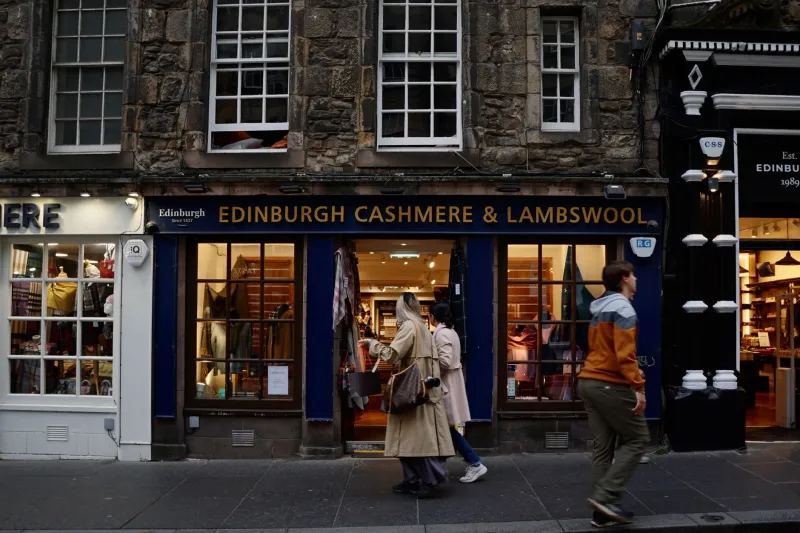
On a wet Tuesday in November 2026, the most radical thing on some high streets is a lit window and a sign that says come in. Not a pop-up selling candles. Not another vape shop. A room where people can ask a question, pick up a leaflet, charge a phone, or find out why the bus route is being cut.
That is the promise of the meanwhile lease: a short-term agreement that lets a community campaign use an empty shop while the landlord waits for a better offer. Done well, it can turn a dead frontage into a base. Done badly, it turns your coalition into unpaid caretakers for someone else’s asset.
So how do you take the keys without losing the plot?
Start with the ask, not the estate agent
Before you ring anyone, get clear about what the space is for. Is it a drop-in? A meeting room? A food hub? A place to store banners and run advice sessions? Write down three things you need and three things you can live without. Step-free access and a working toilet are not nice-to-haves if you want disabled residents to join you. A back room is useful, but not if it eats the whole budget.
Then find out who owns the unit. The council may hold the freehold. A pension fund may own the block. A small local landlord may be sitting on an empty shop because they are waiting for a chain to come along. Ask the council’s empty property team, the local business improvement district, or neighbouring traders. A polite letter works better than a scattergun email. Explain who you are, what you would use the space for, and what you can offer: footfall, upkeep, security, a bit of life on the street.
Do not pretend to be something you are not. If you are a campaign, say so. Some landlords will run a mile. Others will quite like the idea of a busy, insured, responsible group keeping the lights on.
What a meanwhile lease should actually say
A meanwhile lease is usually a short licence or tenancy — three months, six months, sometimes a year. It should be in writing. Even a one-page agreement is better than a handshake and a set of keys.
The basics matter: start and end dates, rent or peppercorn rent, who pays utilities, who handles repairs, and what happens if the landlord sells or finds a permanent tenant. You want a break clause that is clear and a notice period that gives you time to pack up. You want to know whether you can paint the walls, hang a sign, or put a ramp over the step. You want to know who holds the keys and who is allowed in.
Get legal advice if you can. This is not legal advice. But do not sign a lease that makes your group responsible for the roof, the boiler, or a full repairing obligation. That is how a campaign ends up fundraised into a hole. If the landlord wants you to take on the building’s problems, say no or ask for a rent-free period long enough to cover the risk.
Insurance, access, and the unglamorous stuff
Public liability insurance is non-negotiable if you are inviting people in. Check whether your existing policy covers the address and the activities. If not, ask a broker for a quote before you sign anything. Some landlords will ask for a specific level of cover. Find out early.
Accessibility needs a proper look, not a quick glance. Is the entrance step-free? Is the door wide enough? Is there an accessible toilet, or a plan for one nearby? Can people reach the counter and the meeting table? If the answer is no, be honest about what you can change and what you cannot. A campaign that talks about inclusion but meets in an inaccessible room is not organising. It is advertising.
Then there is the fire risk assessment, the electrics, the heating, the damp. Ask the landlord for any recent safety certificates. If they do not have them, factor that into your decision. You are not being difficult. You are being a good neighbour.
Don’t become the council’s unpaid shopfront
This is the trap. A landlord or council sees your lovely community space and suddenly it is a regeneration success story. They want photos. They want a quote for the brochure. They want you to host their consultation. They want you to make the empty high street look less empty without changing the things that made it empty.
You can be generous. You can host the meeting. But set terms. Agree what you will and will not do. Ask for something in return: a small grant, help with the lease, a commitment on the bus route, or a seat at the table where the decisions are actually made. Do not let your campaign become a prop for a press release. A visible space should deepen your roots, not soften your asks.
Share the load, and the keys
One of the quickest ways to burn out a coalition is to make one person the building manager. Spread the work. A rota for opening and closing. A small upkeep fund that everyone contributes to. A shared calendar. A named person for repairs and a named person for safeguarding. Keep a log of what breaks and who fixed it.
And share the keys carefully. Not everyone needs a full set. A locked key safe, a sign-in book, and clear rules about who can open up alone can save a lot of anxiety. If young people are involved, check your safeguarding policy. If the space is used by multiple groups, write down the shared expectations. The lease is with one organisation, but the space belongs to the coalition.
Plan the goodbye before the opening
Every meanwhile lease ends. The landlord finds a tenant. The building is sold. The funding runs out. If you have not planned for that day, you will spend the last month in a panic and the first month after it wondering what happened.
So decide now: what stays, what goes, and who keeps the relationships? Can the campaign move to a church hall, a library, a pub back room, or somebody’s front room? Can the materials live in a cupboard instead of a shop? Can the drop-in become a monthly rota? The point of the space was never the space. It was the people who found each other there.
The test: does it make organising easier?
A shop can be a wonderful thing. It gives you a doorstep, a noticeboard, a place for the kettle to live. But it is only worth it if it helps you organise. If the rent is too high, the repairs too heavy, or the landlord too unpredictable, walk away. There will be another room. There will be another way.
The best meanwhile lease is not the one that makes your campaign look permanent. It is the one that makes your campaign more rooted, more visible, and more able to hand the keys back without falling apart. That is the line in the sand. Take the shop. But do not let the shop take you.