The 7pm Problem: Why Being in the Room Isn't the Same as Holding Power
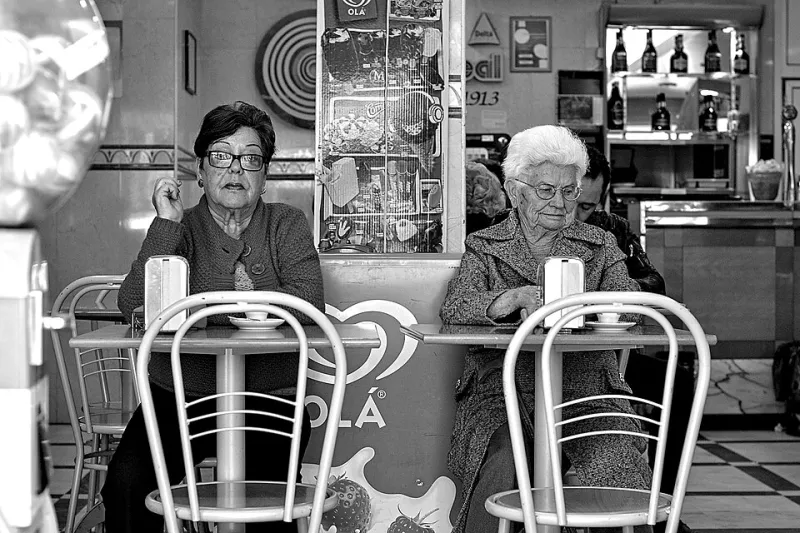
Photo: Alvaro A Novo, CC BY-SA 3.0, via Wikimedia Commons
Every coalition has a founding myth, and most of them involve a room. Ours went like this: a Tuesday, 7pm, forty people in a draughty church hall, and someone at the front saying "well, the turnout proves the community is behind us."
It didn't. It proved that forty people could get there.
The gap between those two sentences is where a lot of campaigns quietly lose their mandate. We count who turns up, we treat the count as consent, we build a strategy on it, and then we wonder why the estate that never comes to meetings also never comes to the march.
The headcount trap
Attendance is a proxy for availability, not for stake. The person who can give up a Tuesday evening is usually the person with the most flexible job, the fewest caring responsibilities and the shortest bus ride home. That is not a neutral sample of a street, a ward or a tenants' group. It's a sample of who has spare evenings.
None of this is anyone's fault. It's the default design. Meetings get designed by people who can attend meetings, which is a bit like writing a bus timetable by asking people who drive.
It turns corrosive when the room starts believing it is the whole. The asks get written for the people in the room. The consultation gets aimed at the people in the room. The mandate becomes a mandate from the forty, and the other two thousand residents find out about it through a poster in the Co-op window.
Who the room quietly filters out
Worth naming them, because "we're open to everyone" is not a recruitment strategy.
There's the carer on duty from 6pm until bedtime, every night, whose support hours don't stretch to evenings. There's the care worker finishing a twelve-hour shift, the hospitality staff on a late rota, the warehouse picker on nights, the hospital porter. There's the disabled resident whose step-free route to the hall doesn't exist, or who could manage the meeting but not the two hours of sensory load around it. There's the parent doing bathtime. There's the person whose work coach has already claimed their mornings and who isn't handing over their evenings too. There's the teenager who is not walking home from a community centre at half nine in February.
You can add your own. Every area has a version of this list, and every list is longer than the room.
A proxy is a mandate, or it's nothing
Proxy votes usually get treated as a polite fiction. Someone texts a friend — "can't make it, vote yes on whatever" — the chair notes it down, and if the vote is tight the proxy gets quietly discounted because they "weren't there to hear the debate."
That's backwards. The fix isn't to scrap proxies, it's to give them a spine:
- Written mandates, not vibes. The proxy holder gets a one-page brief: the question, the options, the person's view, and an instruction for the case where the debate shifts.
- Pre-recorded positions. A two-minute voice note or video played into the room before the vote beats a proxy guessing at what someone would have wanted.
- Proxy limits. Nobody carries more than two, or one person quietly becomes a faction.
- Public logging. Proxies go in the minutes as full votes, not as asterisks and apologies.
The aim isn't to make decisions more complicated. It's to stop pretending that physical presence and legitimacy are the same thing.
Paying for participation
This one draws the most pushback, usually along the lines of "we can't pay people to care about their own community." But we already pay the people who can afford to volunteer — in flexibility, in spare evenings, in the ability to swap a shift. Attendance has a price. We just keep it off the budget line.
Paying residents for their time — sitting fees, honoraria, call it what you like — is a correction, not a bribe. It covers the taxi home, the childcare, the shift swap, the interpreter, the data top-up for a video call. In practice it looks like £25 to £50 a session, paid that same week, with the paperwork done by staff rather than by the participant.
Two warnings from groups who've done it. First, get welfare rights advice before you design a scheme: earned income can interact with universal credit, Carer's Allowance and other means-tested support, so talk to a local advice agency about how payments are structured and described. Second, pay everyone in the room or pay no one. If residents get paid and volunteers don't, you've just built a two-tier meeting.
Meetings that move
Rotate the slot. Not as a token gesture but as a genuine cycle: one evening, one daytime, one Saturday morning, repeating through the year. Publish the schedule in January, not the week before. Some coalitions now run a 6am session before the early shift for hospital and care staff, which sounds absurd until you see who turns up.
Then fix the room itself. Step-free access. A hearing loop. A BSL interpreter where a member needs one. A quiet space for anyone who has to step out. A hard cap on length. Food people can actually eat and travel reimbursed on the night, in cash, no receipts. And if you're running hybrid, staff the online room with a named facilitator whose entire job is keeping the people on screen in the conversation, rather than leaving a laptop propped on a chair.
Evidence that doesn't need a seat
Some of the most useful contributions never happen in a meeting at all. They happen on a doorstep, on a phone call, in a voice note sent at eleven at night after a shift, on a slow walk round the estate with a clipboard.
So go and collect them:
- Asynchronous submissions. A structured form, a WhatsApp voice note line, a freephone number. Transcribe them and read them into the meeting.
- Walking interviews. Twenty minutes with someone who can't come, written up and brought back.
- Separate evidence sessions from decision sessions. Evidence-gathering can be wide and slow. Decisions need to be bounded.
- A standing "what we heard" item. Ten minutes at the top of every meeting, read aloud, names used where consent allows. It changes the temperature of a room when the first voice isn't the usual one.
Redesign the decision, not just the diary
The deeper shift is in how you decide things at all. Consent-based models, where a proposal passes unless someone raises a reasoned objection, cope far better with patchy attendance than a show of hands. Ranked ballots sent by post or text can run over a fortnight and still be legitimate. A decision log that records who was consulted, who wasn't, and what would change the answer is a quietly radical document, because it admits what the room doesn't know.
And build one rule in early: a decision affecting a specific group needs at least one person from that group in the conversation, not as a witness but as a participant with a vote or a veto. If nobody from that group can be there, the decision waits. That single rule will reshape a campaign faster than any strategy away day.
Four questions before your next meeting
Who is missing, by name or by category? What would it cost to include them, in pounds and in weeks? Who is currently holding a proxy, and do they have a written mandate? And when did a decision last get postponed because the right people weren't in the room?
Answer those honestly and the work will show itself. It's slower, it's fiddlier, and it builds campaigns that survive contact with the people they claim to represent.
The room is a tool. It was never the community.