Beyond Chair and Treasurer: Five Quiet Roles That Keep a Coalition Standing

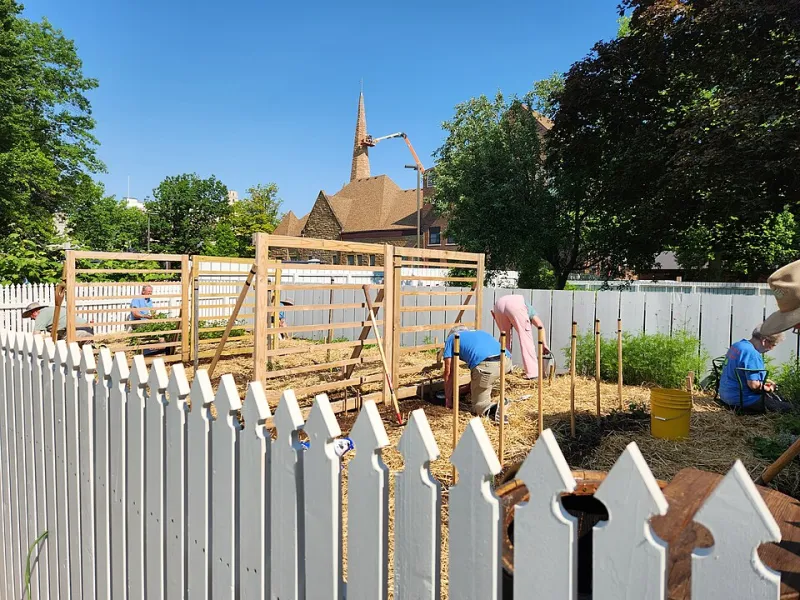
Photo: Filipinayzd, CC BY-SA 4.0, via Wikimedia Commons
Every campaign advertises the same vacancies. Chair. Secretary. Treasurer. Someone for comms. Someone with a van.
All necessary. None of them are the reason you'll still be going in two years.
The roles that decide whether a coalition holds together tend to be filled quietly, often by people who wouldn't describe what they do as 'organising' at all. They're not on the agenda. They're rarely thanked. And when they go, the group usually doesn't notice until it's too late.
So here are five to look for — before you need them.
1. The Connector
Every neighbourhood has one. They know the woman who runs the lunch club, the bloke who chairs the tenants' association, the person at the mosque who can get forty people to a meeting, and the retired teacher who everyone trusts on planning matters. They don't hold a position. They just know people, and people take their call.
What they actually do: they shortcut months of cold outreach. They're the reason your campaign isn't a room of people who already agree with each other.
A UK example: think of the tenant-and-resident groups that managed to bring together a church hall campaign, a youth club and a traders' association over a single planning application. That doesn't happen through email. It happens because one person knows all three rooms and is trusted in each.
How to spot one: they're the person newcomers are introduced to. They arrive with someone you've never met. They talk about people rather than issues.
How to keep one: give them a reason to make introductions, not a job to do. Never make them your administrative backup. And ask them who's missing from the room — because they'll know.
2. The Skeptic
Not the cynic. There's a difference. The cynic tells you it won't work and goes home. The skeptic tells you it won't work, then stays to help you find the version that will.
What they actually do: they stress-test the plan while it's still cheap to change. They ask about the insurance, the accessibility, the fact that the room has no step-free access, that the deadline falls in half-term, that the council officer you're relying on is on secondment until March. They are deeply annoying for about twenty minutes and invaluable for the next six months.
A UK example: more than one library campaign has been saved by a member who pointed out that the 'community-run' model being proposed quietly required volunteers to staff six days a week, and that nobody had asked the existing volunteers whether they could. Better to hear that in the planning meeting than at the launch.
How to spot one: they're the one asking a question while everyone else is nodding. They've read the actual document. They turn up to the boring meeting.
How to keep one: thank them publicly and specifically. Give their objections a proper airing in the minutes. If they're right, say so out loud. Otherwise the room will teach them to shut up.
3. The Fixer
Every campaign has to get through a system: a grant form, a licensing query, a data protection question, a council officer who needs to be approached in exactly the right way. Fixers navigate that. They know how the machine actually works, as opposed to how the flowchart says it works.
What they actually do: they unblock things. They find the right email address. They know that a phone call on a Tuesday morning gets further than a third follow-up.
A UK example: the volunteer treasurer of a small community land trust who knows precisely which funder's guidance notes contradict themselves and which box on the form nobody has ever filled in correctly. Their expertise is invisible until the day it saves the whole project.
How to spot one: they have strong opinions about forms. They've done this before for something else — a sports club, a school PTA, a scout hut. They use phrases like 'in my experience, what they actually want is'.
How to keep one: don't dump admin on them. Give them a clear mandate and get out of the way. And make sure they're not the only one who knows what they know — get it written down.
4. The Translator
Campaigns drown in their own language. 'Engagement', 'stakeholder mapping', 'theory of change', 'asset-based community development'. All useful shorthand among people who already know. All of it a wall to everyone else.
What they actually do: they turn jargon into plain English, without making anyone feel stupid for asking. They write the leaflet that people actually read. They explain the planning application in one paragraph.
A UK example: the difference between a consultation response that gets 30 signatures and one that gets 300 is usually not the issue. It's whether someone rewrote it as four sentences and a clear ask.
How to spot one: they ask 'but what does that mean?' in a way that isn't combative. They're good at explaining things at the school gate. Their WhatsApp messages are clearer than the press release.
How to keep one: put them on every drafting rota. And resist the urge to 'professionalise' their copy back into mush.
5. The Storyteller
Campaigns run out of fuel when they run out of meaning. The petition becomes a spreadsheet. The meetings become a rota. The reason everyone turned up in the first place gets buried under logistics.
What they actually do: they keep the human why alive. They remember that the bus route isn't about buses. They can tell the story of the campaign in a way that makes someone who wasn't there wish they had been.
A UK example: every successful campaign has one — the person who, at the end of a dispiriting meeting, reminds everyone what the win looked like on the day it happened. Who keeps the photographs. Who writes the round-robin that people actually open.
How to spot one: they remember people's names and circumstances. They narrate. They're the one asking 'can we just say what this means for the family on the corner?'
How to keep one: give them the annual review, the newsletter, the celebration. And don't let the campaign forget that it is made of people, not milestones.
Look before you recruit
Here's the practical bit. Most of these five are already in your group, doing the work informally and getting no credit for it. Before you write another role description, spend a month watching who does what.
Three questions to ask yourself after every meeting:
- Who introduced a stranger to someone useful?
- Who asked the question nobody wanted to hear?
- Who made the thing make sense to someone outside the room?
Then name it. Say it out loud. 'You're our connector' or 'that objection saved us six months' goes further than any thank-you card.
The campaigns that last in the UK aren't usually the ones with the best-organised committee. They're the ones that got the quiet roles right, early, and held on to the people doing them.