When the Chat Goes Quiet: Turning Online Momentum into Standing Local Power
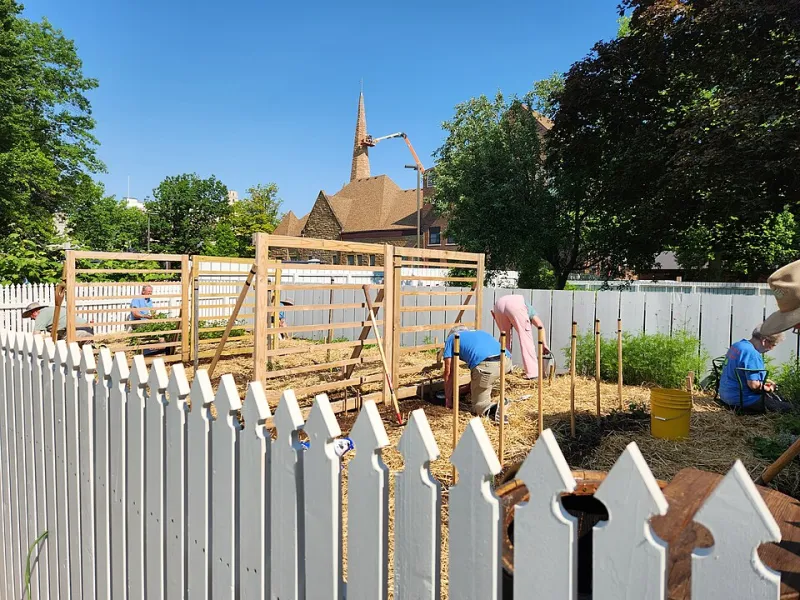
Photo: NPS, Public domain, via Wikimedia Commons
There is a very particular kind of quiet that follows a viral local campaign.
A planning application lands. Somebody posts about it, the post travels, a WhatsApp group fills up overnight, a petition does the rounds on every street's group chat, the local paper rings, and for about eleven days the neighbourhood feels like a movement. Then the consultation closes. Then the chat goes quiet. Six months later someone posts "does anyone know what happened about the library?" and gets no reply.
We have got very good at generating online momentum in this country. We are still learning how to bank it.
The handover is the hard part
Every serious local campaign has a moment — usually unglamorous, usually on a weekday evening in a hall that smells faintly of floor polish — when a chat becomes a body. It needs a name, a bank account, a chair, minutes, and a set of people who'll still turn up in February.
That moment is not a formality. It's the difference between a campaign that can negotiate with a council and a campaign that can only complain about one. Councils respond to organisations. Funders fund organisations. MPs' offices can follow up with organisations. A group chat with 400 members is a mood; a constituted group with 30 regulars and a rota is a stakeholder.
The good news is that the handover doesn't need a consultant or a national charity's toolkit. It needs a handful of deliberate choices, made early.
Nobody elected you — and that's fine, for now
The people who start a campaign are usually the ones with time and confidence, not a mandate. That's not a flaw, but it does need acknowledging out loud, in public, at the first open meeting.
The line worth learning is some version of: "we started this, we don't own this, and here's how you take it over." Then build the mechanism. An open meeting advertised in every way you can manage. A written note of who decided what, published where people can see it. A date for the next meeting announced before the first one ends. Elections for officers within three months, not three years.
Legitimacy in community organising is not inherited from the petition. It's earned by being consistently answerable to a room.
Build a room people can actually get to
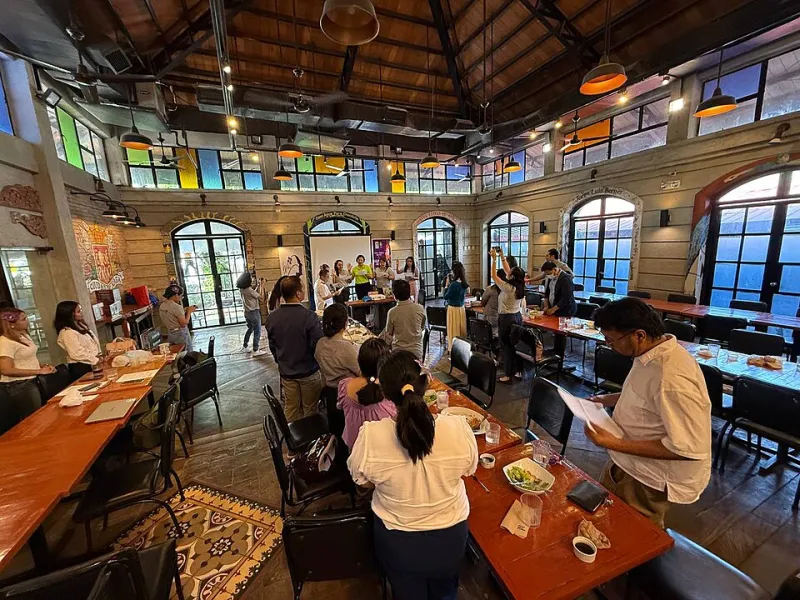
The single most common conversion failure is the venue. A hip café with no step-free access, no parking, no bus, and a closing time of 8pm will convert a broad online crowd into a narrow, mobile, caffeinated one.
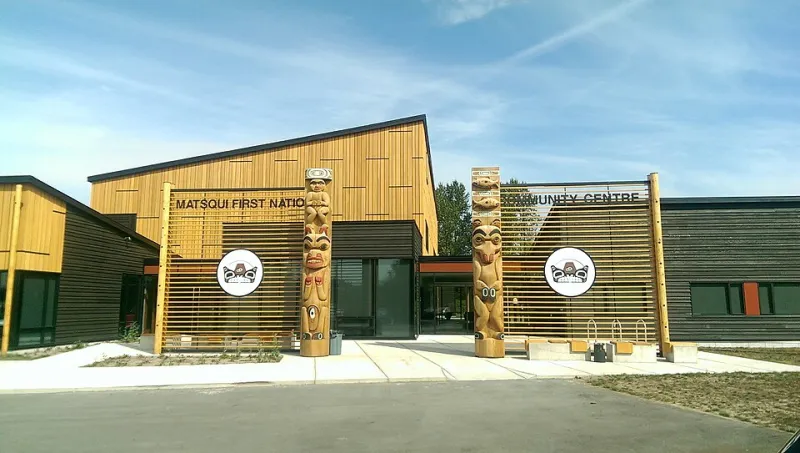
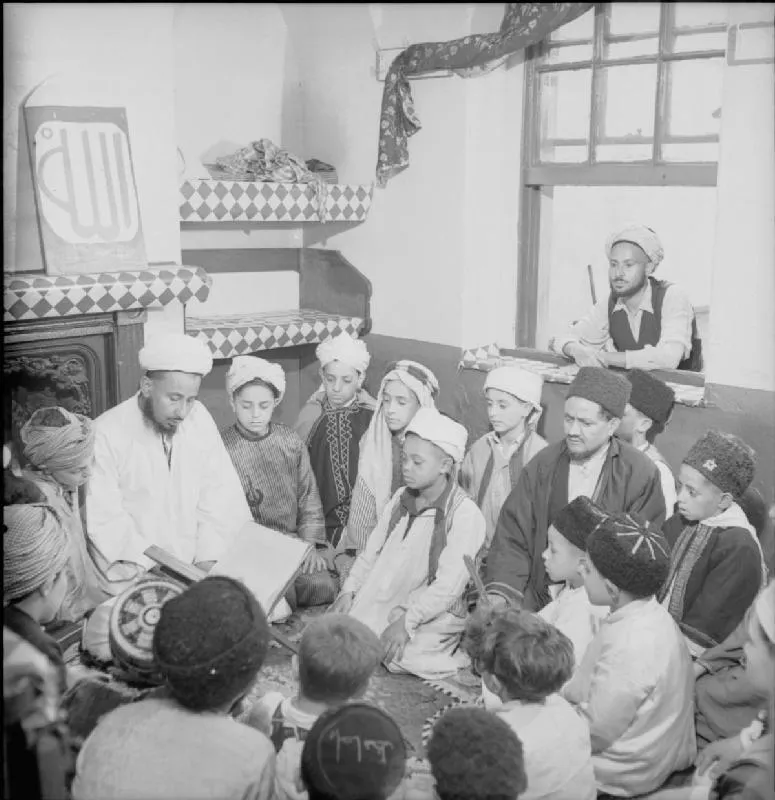
Go for the community centre, the mosque hall, the church, the school, the library meeting room — somewhere with a bus stop, a ramp, a toilet people can reach, and a kitchen. Rotate venues if the neighbourhood is spread out. Hold Saturday mornings as well as Tuesday evenings. Say yes to childcare. Feed people. Reimburse bus fares without a fuss, in cash.
And tell people what the meeting is for. "Come to the meeting" is not an invitation; "come and decide whether we push for the crossing on Mill Lane or the 20mph zone first" is.
Share the chair, literally
Rotating facilitation is the cheapest, most effective anti-burnout and anti-clique measure available. A different person chairs each meeting, supported by a short shared script and a co-facilitator who's done it before. The skills spread, the workload spreads, and the group stops depending on one exhausted person who's about to move to Bristol.
Alongside that: a code of conduct agreed in public, not drafted in a back room. A named safeguarding lead, especially if young people or vulnerable adults are involved. A complaints route that doesn't require confronting the person you're complaining about. Basic data protection — collect only what you need, say what it's for, and don't keep a spreadsheet of people's addresses just because you can.
Find money without losing the plot
There is money about in 2026, even in a tight local government climate. Ward budgets, council community grants, housing association community funds, National Lottery Community Fund programmes, local CVS support, health inequalities funding routed through the voluntary sector, crowdfunding for specific concrete things like a legal opinion or a venue hire.
Two rules keep this honest. First, never let a funder's outcome framework rewrite your campaign. Second, let residents decide what the money is for — a small resident-controlled pot, even a few hundred pounds, changes the culture of a group more than a five-figure grant you didn't choose.
Wire yourself into the system
The reason to formalise is to be able to use the machinery. That means knowing how to submit a public question to the council, how to speak at scrutiny committee, when the ward walkabouts happen, who the relevant cabinet member is, what the neighbourhood plan forum does, and where the combined authority sits on the issue.
It means an MP's surgery slot booked three weeks ahead with a briefing note, not a name on a petition. It means showing up to the same meeting four times in a row so officers recognise you. That's not selling out; it's the difference between being heard once and being expected.
Measure what lasts, not what travels
Reach is a vanity metric for local campaigns. A post seen by 40,000 people in three days is worth less than twelve people who turn up in April.
Measure retention, not sign-ups. Count how many people have held a role and rotated out. Count decisions logged and publicly explained. Count the number of times you reported back rather than the number of times you were quoted. And count the boring wins — a bench moved, a bus stop re-sheltered, a council officer returning a call — because those are what convince people that showing up does something.
A ninety-day rhythm
The groups that survive tend to settle into a pattern: one open assembly every month, one steering meeting every month, one public update between them, and one social thing where nobody is allowed to talk about the campaign for the first hour.
That's it. No app, no platform, no digital transformation. Just a room, a rota, a set of minutes and a promise that people who show up will be told what happened next time.
The chat going quiet isn't a tragedy. It's the natural state of online energy. The work — the genuinely hopeful, unglamorous work — is building something that's still standing when it does.