The Queue Is Not the Plan: Building a Neighbourhood Right to Food
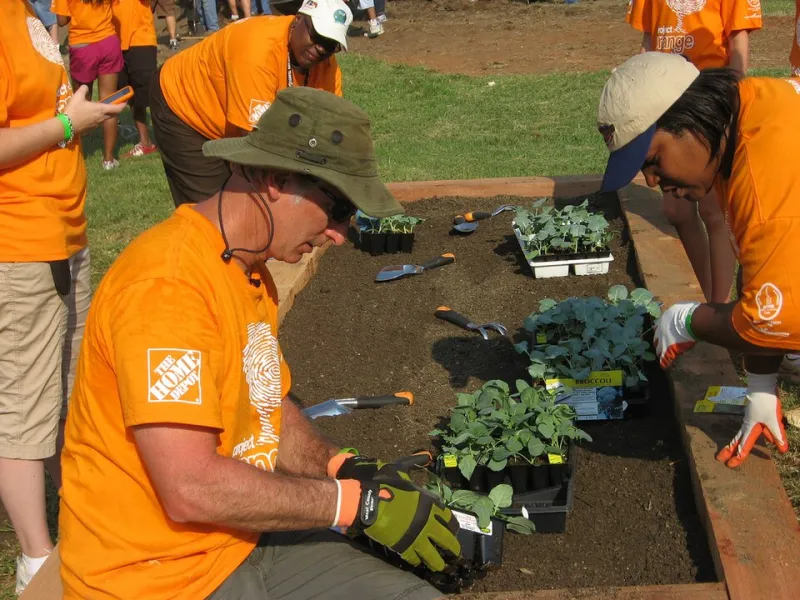
Photo: Susan Reimer from Annapolis, USA, CC BY 2.0, via Wikimedia Commons
Saturday morning, a church hall in Birmingham. The queue starts at the door and bends round the corner. Inside, a dozen volunteers are doing something close to miraculous with spreadsheets, carrier bags and a chest freezer, and they will do it again next week, and the week after that.
None of them think they are solving hunger. They are holding a line. The question worth asking — the one that turns a project into a campaign — is what else the same group of people could be doing with the same energy, the same building and the same contacts.
The parcel doesn't touch the cause
Let's be clear about the value of what already exists. Food banks, pantries, community fridges and school holiday clubs have kept hundreds of thousands of households afloat in a decade when wages and benefits stopped covering the basics. The people running them are not the problem.
The problem is that a bag of pasta does not change a housing bill. It does not restore a bus route to the supermarket, fix the boiler, or get a disabled resident onto the right tariff. Emergency food is a response to an income crisis, and responding to an income crisis with donated tins is like treating a broken leg with painkillers — kind, necessary, and not the whole job.
We have built an extraordinary national infrastructure of compassion and then spoken about it as though it were a solution. It isn't. It's a symptom with excellent volunteers.
What a right to food looks like on one street
Strip away the legal theory and a right to food is a fairly ordinary set of expectations. That everyone in a neighbourhood can afford enough food, of the kind they actually eat, without a voucher and a queue. That food aid, where it exists, is dignified — no proving yourself to a stranger, no being handed whatever was surplus that week. That people who use these services get a say in how they run. And that the council, the NHS, schools and housing associations treat food as part of their business, not a charity sideline.
Scotland's Good Food Nation Act, passed in 2022, put a version of this into statute and obliged public bodies to plan. It was a genuine step, and it also showed the limit of waiting for legislation: the meaningful work still happened locally, in places that had already built the relationships to use it.
Who needs to be in the room
The temptation is to gather the usual suspects — the food bank coordinators, the church, maybe a ward councillor — and call it a coalition. Go wider.
You want residents who use the food bank, paid for their time, not invited as decoration. Faith groups, who between them hold most of the warm, dry, well-equipped space in the country. Growers, allotment federations and the person who runs the market. The local shopkeeper, who knows exactly which streets go a mile for a pint of milk. Public health at the council, and planning, who between them control more of the food environment than anyone realises. Schools, because they feed children twice a day and buy in bulk. Housing associations, who can offer land and halls. And the food bank itself, as a partner with hard-won knowledge — not a problem to be transitioned out of existence.
That last point matters. Groups that treat existing food aid as an embarrassment tend to find themselves with a strategy and no members.
Start with a map, not a manifesto
Before anyone writes a plan, find out what's actually happening. Where does food get grown, sold, cooked, given away and thrown out within a two-mile radius? Which streets have the worst bus links to a supermarket? How many children get free school meals, and what happens to them in the holidays? Who owns the empty plot behind the leisure centre?
This is unglamorous work and it is where power starts. A map that shows there is no affordable fresh food within walking distance of three estates is a far better argument than a hundred slogans.
Three shifts worth making
First, from parcels to income. Every food project should have a benefits and debt advice strand, cash-first where possible, and a campaign for the take-up of what people are already entitled to. Someone who leaves with £40 a week more is better served than someone who leaves with a bag.
Second, from donations to procurement. Councils, hospitals, universities and schools spend enormous sums on food. A coalition that can influence one of those contracts — local sourcing, decent standards, no procurement from suppliers under investigation for wage theft — changes the local food economy in a way no collection tin can.
Third, from volunteers to members. A rota is not a movement. Membership, however informal, means people who decide rather than people who help.
Growing is organising
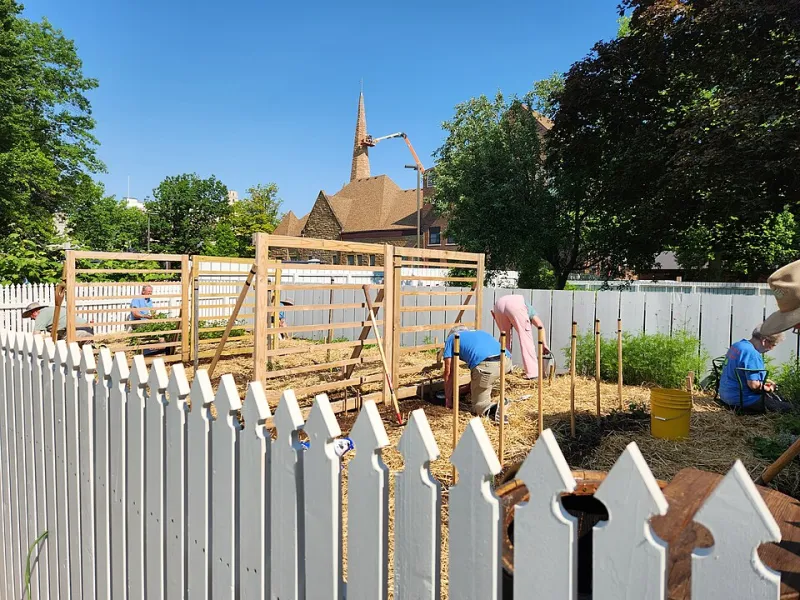
A community garden is often dismissed as nice-but-marginal. In practice it's one of the most effective organising tools available. You get land, which is a political asset; you get a reason to knock on doors; you get visible evidence that something is changing. Allotment waiting lists in most cities are years long, which tells you demand exists — and that land, not enthusiasm, is the scarce thing.
The bigger prize is a local food plan: a short document with a shared baseline, three to five named commitments, a budget line and a review date. Not a glossy strategy that sits on a shelf. Something a resident can hold a council to at the next full meeting.
The trap on the other side
There is a real risk here. Groups that get close to the council often end up delivering its food agenda for it — running the holiday club, distributing the vouchers, absorbing the pressure that should have been political. Accept the resources. Keep the independent voice. Keep the ask alive. The moment you're the council's food arm, you've stopped being the people who can tell it what to do.
What to do on Monday
Three things. Ask your food bank what it hears from people most often, and write it down. Invite two groups you've never worked with to your next meeting — the allotment society and the tenants' association will do. And find out whether your council has ever debated a right to food motion, and what happened.
The queue will still be there on Saturday. That's exactly why the plan matters more than the parcel.