Warm Hubs, Real Power: How Neighbourhoods Are Building a Winter Coalition That Lasts

By early November 2026, the winter warmth conversation has already moved from polite worry to practical action. The clocks have gone back, the heating is on for longer, and in plenty of neighbourhoods the same questions are doing the rounds: which room can we open, who can staff it, how do we help people with energy debt without turning the place into a queue for means testing, and who is going to stop three groups from running the same food club on the same street?
Warm hubs are a good answer to a cold room. They are not a good answer to a cold system. The groups getting this right in 2026 are treating winter as a coalition-building season, not a one-off charity drive. They are linking the church hall, the mosque, the library, the housing association, the tenants' group, the food club and the local advice service into something that can share information safely, avoid duplication and keep community control when the council turns up with a funding offer.
Start with the map, not the panic
Before anyone buys a urn or prints a poster, get the local assets down on paper. Who has a warm room? Who has a kitchen? Who has wifi, accessible toilets, a quiet corner, a listening ear? Who already runs a food club, a baby bank, a tenants' forum or a coffee morning? Who has a minibus, a phone tree or a WhatsApp group that actually reaches people?
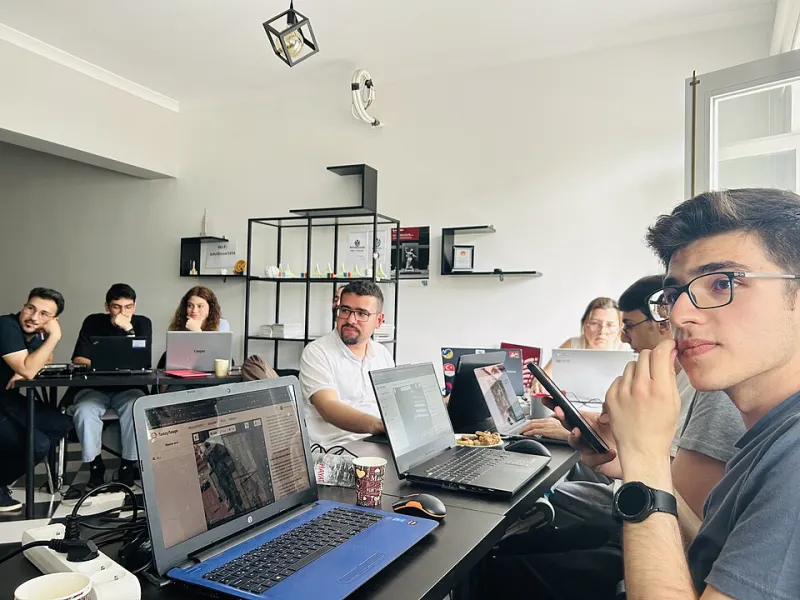
The first meeting should be a mapping meeting, not a funding bid. Put a big sheet of paper on the wall and ask people to mark what they have and what they need. You will usually find two things: gaps in the east of the ward and duplication in the centre. A shared calendar — even a simple one — stops three groups booking the same Tuesday night while the estate across the road has nothing.
Warmth is a relationship, not a room
The best warm hubs are not just heated buildings. They are places where people can sit down without being asked to prove they deserve it. That means no means testing at the door, no forced activities, no prayer requirement and no lecturing. It means accessible entrances, culturally appropriate food, quiet space and staff or volunteers who know when to listen and when to signpost.
Energy advice is part of this, but it needs boundaries. A volunteer can help someone read a bill or call a supplier. They should not be giving regulated financial advice or trying to run complex casework from a serving hatch. Build a referral pathway to Citizens Advice, a local energy advice service or the council's welfare rights team — and agree who follows up. Signposting is not a cop-out; it is how you avoid burning out the person who came for soup and stayed to sort out someone's prepayment meter.
Share information without selling people out
Coalitions live or die on trust. If residents think their personal details are being passed around a WhatsApp group, they will stop coming. So agree a simple data rule from day one: collect only what you need, explain why, get consent, store it safely and do not share it across the partnership unless there is a lawful basis and a clear process.
That does not mean you cannot refer people. It means you design the referral. Use a short form, name the organisation that will make contact, get permission and record it. Keep casework in the hands of the group trained to do it. For everything else, share aggregate information — how many people came, what they asked for, what gaps you found — not names and addresses.
Build the table before you need it
Council support can be genuinely useful: room hire, small grants, transport, communications, public health data, advice capacity. But support can quietly turn a community coalition into a delivery arm. The way to avoid that is to negotiate the table before the money arrives.
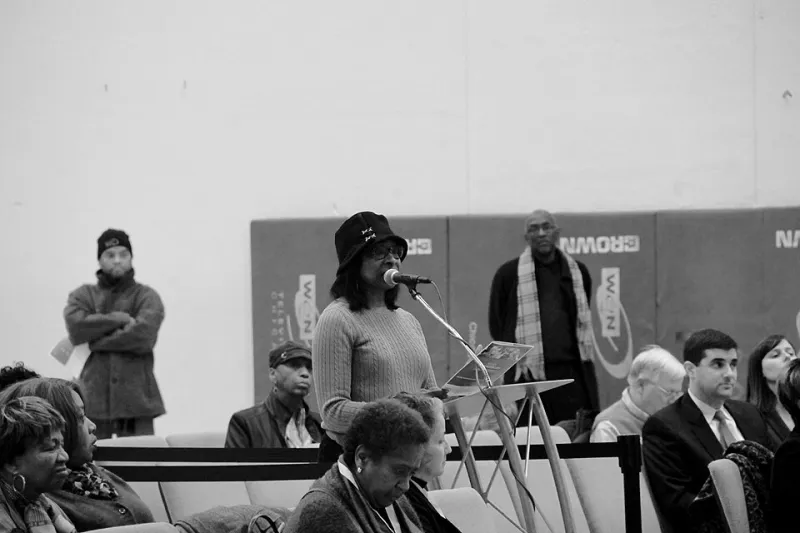
Ask for specific things rather than vague partnership. Invite the council, the housing association and the integrated care board to a standing meeting — but make sure community representatives have real influence, not just a listening role. Put an agreement in writing: who decides what, how funding is spent, how the community can raise concerns and how the partnership reports back. If a councillor wants a photo op, fine. Just make sure the photo comes with a commitment to the January fuel debt fund, not just a ribbon-cutting in December.
The winter checklist
- Pick a volunteer coordinator and a safeguarding lead before you open the doors.
- Map rooms, kettles, wifi, accessible toilets and quiet spaces.
- Agree a shared referral sheet that collects only what is needed and records consent.
- Publish a weekly timetable in paper and digital formats.
- Write a dignity code: no means testing at the door, no forced activities, no proselytising.
- Agree who handles casework and who signposts.
- Ask the council for specific things, not vague support.
- Put community representatives on the partnership group with voting rights.
- Keep a simple budget and a small cash reserve.
- Book a February review before December.
Keep the heat after spring
A winter coalition should not vanish when the daffodils come out. The relationships built in a cold snap can become a tenants' association, an energy champions network, a permanent food club or a participatory budgeting group. The information you gather — the gaps, the waiting lists, the bills people cannot pay — is evidence for next year's campaign.
United Communities has always argued that the best social change is built locally and held collectively. Winter warmth is a practical place to start. Open the door, put the kettle on, and then build something that can keep the heating on and the power in community hands long after the cold has gone.